Chatbots are a fascinating topic and are currently undergoing a major transformation thanks to Generative AI. These new technologies enable powerful and engaging user experiences—but they also introduce new risks that we’ll explore in this article.
Let’s dive in.
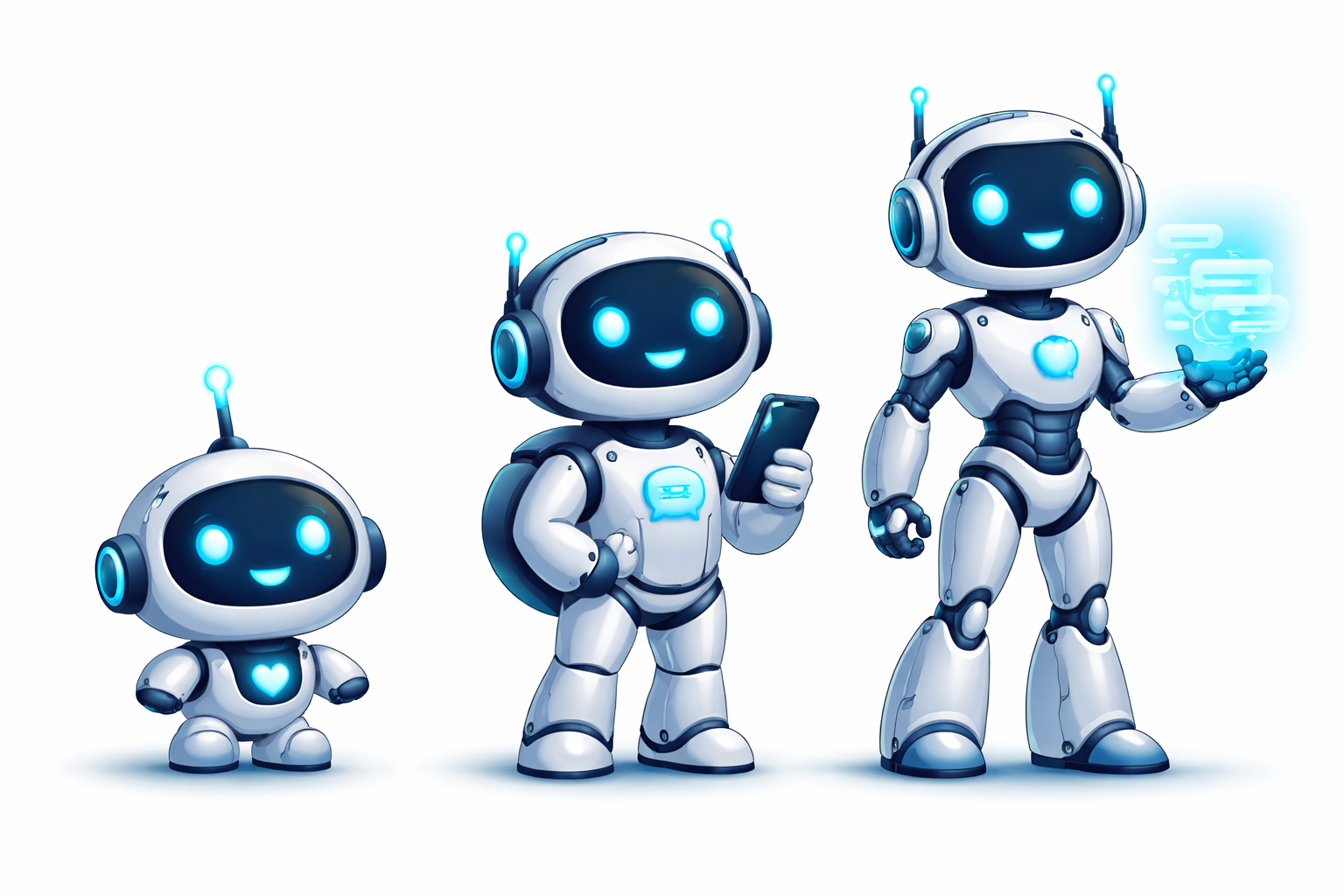
The 3 Generations of Chatbots
To understand where we are today, it’s important to look at how chatbots have evolved over time.
1. Rule-Based Chatbots (1960s)
The first generation of chatbots appeared in the 1960s with ELIZA, developed at MIT by Joseph Weizenbaum. Its goal was to explore communication between humans and machines.
ELIZA created the illusion of understanding, but this illusion quickly broke down. It relied entirely on predefined rules.
For example:
- If a user said: “I need help with XXXX”
- The chatbot might respond: “Why do you need help with XXXX?”
This approach was simple but limited. It’s impossible to anticipate every possible user input by writing rules manually.
2. NLP-Based Chatbots (2010s)
The second generation emerged in the 2010s with systems like Watson, Siri, Alexa, and Google Assistant.
These chatbots introduced:
- Natural Language Processing (NLP) to analyze user input
- Knowledge bases (FAQs) to retrieve answers
Instead of strict rules, they worked by:
- Interpreting the user’s intent
- Ranking possible answers
- Returning the most relevant one
However, these systems were still quite rigid. Conversations were often limited to predefined flows or guided interactions.
3. Generative AI Chatbots (Today)
We are now in the third generation: chatbots powered by Large Language Models (LLMs).
These systems:
- Generate responses one word at a time
- Use knowledge learned during training
- Can connect to external tools ( RAG systems, web search tools, APIs from other systems)
They are far more flexible and conversational, often producing responses that feel natural and human-like.
However, they also come with new challenges:
- Hallucinations (confident but incorrect answers)
- Security risks (prompt injection, manipulation)
- Unpredictability/blacl box compared to earlier systems
A Key Shift: Deterministic → Probabilistic
One of the most important changes is this:
We have moved from deterministic systems to probabilistic systems.
- Before: the same input always produced the same output
- Now: responses are generated based on probabilities
This shift dramatically improves conversational ability—but it also increases the risk of convincing mistakes.
What Makes a Chatbot Truly Useful?
Beyond the technology itself, several dimensions determine how useful a chatbot can be.
Transactionality
The ability to interact with other systems and perform actions.
For example:
- Sending a bill via email
- Retrieving customer data
- Updating an order
The more systems a chatbot can access, the more valuable it becomes.
Personalization
Chatbots can adapt responses based on:
- User profiles
- Past interactions
For example, some products are only available to specific customer segments. This requires structured and segmented data so the chatbot delivers relevant, tailored responses.
Multimodality
Modern chatbots can go beyond text and handle:
- Images
- Audio
- Documents
However, capabilities are not always symmetric:
- Some can understand images but not generate them, for example.
Reactive vs. Proactive
Most chatbots are reactive—they respond when prompted.
But they can also be proactive, for example:
- Alerting users to issues
- Sending useful updates
- Anticipating needs
Keys to Successful Chatbot Implementation
From experience, three elements are critical for building effective chatbots.
1. Knowledge Management
A chatbot is only as good as the information it has access to.
This information must be:
- Up-to-date
- Consistent
- Well-structured
In large organizations, this is often the hardest challenge.
2. Human in the Loop
Chatbots cannot operate effectively without human oversight.
Humans are needed to:
- Review conversations
- Label outcomes (good vs. bad)
- Improve training data
- Update knowledge sources
Without continuous maintenance, performance will degrade over time.
3. The Right KPIs
You can’t improve what you don’t measure.
A strong evaluation framework usually quantify:
- Successful conversations
- Missing information (System failed because no information is available)
- Missing training (System failed despite having the data)
- Ambiguous conversations (The query of the user is not clear enough)
Regularly reviewing conversation samples provides valuable insights into performance trends.
Conclusion
Chatbots have evolved significantly—from simple rule-based systems to powerful AI-driven assistants.
This transformation has:
- Greatly improved conversational capabilities
- Introduced new risks, such as hallucinations and security vulnerabilities
To build effective chatbots, organizations must go beyond the technology itself. Success depends on:
- Strong knowledge management
- Continuous human involvement
- Clear performance measurement
If done right, chatbots can become not just tools—but powerful, intelligent interfaces between businesses and users.